
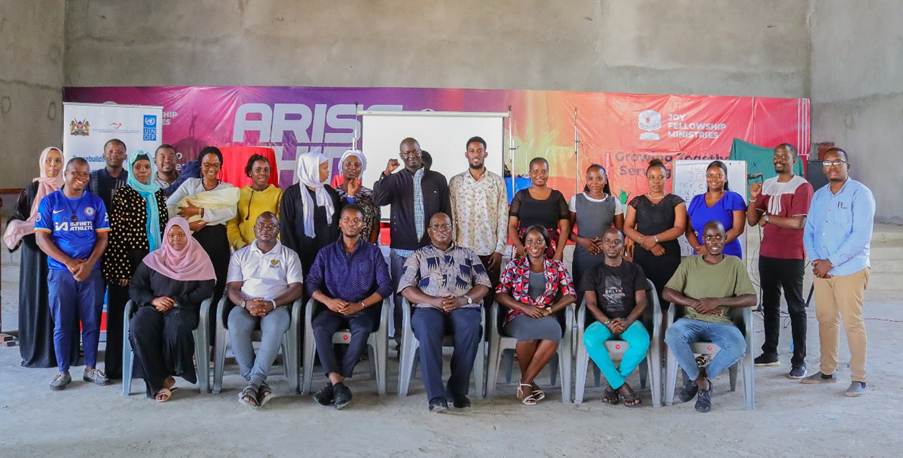
Figure 1: Kenya Interfaith Youth Network representatives in Kilifi County who have participated in preventing and countering violent extremism (P/CVE), peacebuilding and mediation, digital and media literacy, social cohesion, community dialogue
International Youth Day 2026 is being commemorated under the theme “Different Contexts, Common Aspirations.” The theme recognises that while young people live in very different social, economic, cultural and political circumstances, they share many fundamental aspirations: dignity, opportunity, inclusion, well-being, meaningful participation in decisions that affect their lives, and the opportunity to shape a better future.
For the Inter-Religious Council of Kenya (IRCK), these aspirations are closely connected to the organization’s work to promote peace, social cohesion, inclusion and resilient communities.
Over the past year, IRCK has increasingly positioned young people not simply as beneficiaries of peacebuilding programmes, but as partners, leaders and agents of change. Through the Kenya Interfaith Youth Network and related national, county and grassroots platforms, young people have participated in preventing and countering violent extremism (P/CVE), peacebuilding and mediation, digital and media literacy, social cohesion, community dialogue, school-based peace initiatives and policy discussions.
This approach reflects a simple but important principle: peacebuilding cannot be sustainable if young people are excluded from shaping it. IRCK’s youth engagement has therefore focused on creating spaces where young people can contribute ideas, develop leadership skills, influence public conversations and translate their experiences into practical action.
From Participation to Youth Leadership
One of the clearest demonstrations of this approach was the National Interfaith P/CVE Youth Summit, held in Nairobi from 3–5 September 2025.
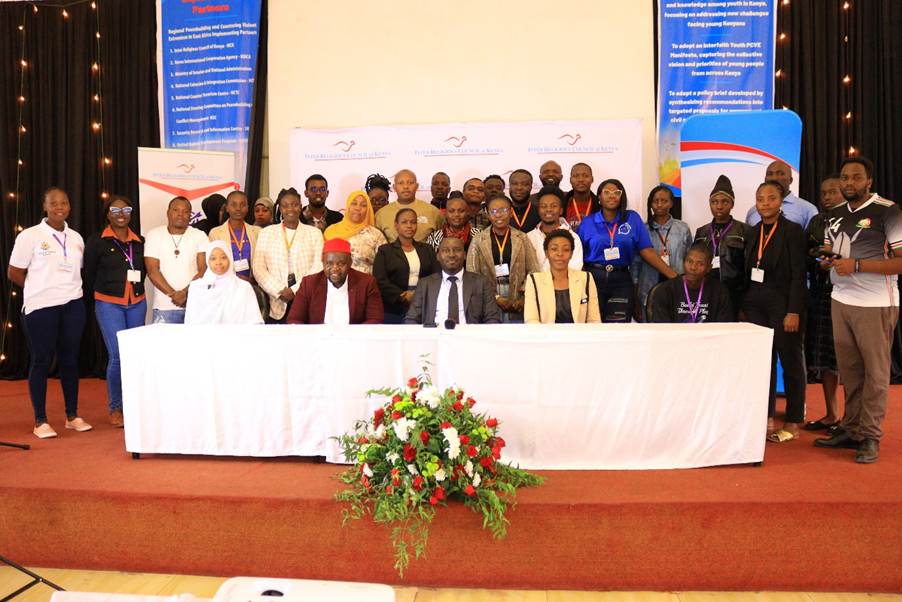
Figure 2: Youth leaders mobilized through the Kenya Interfaith Youth Network designed, planned and executed the National PCVE Interfaith Youth Summit held in Nairobi
Convened by IRCK with support from the Korea International Cooperation Agency (KOICA) through the United Nations Development Programme (UNDP), and in collaboration with the Ministry of Interior and National Administration, the National Counter Terrorism Centre (NCTC), the National Steering Committee on Peacebuilding and Conflict Management (NSC), the National Cohesion and Integration Commission (NCIC), the Security Research and Information Centre (SRIC) and other partners, the inaugural summit brought together more than 200 young leaders alongside religious leaders, women of faith, government representatives, civil society organisations, development partners and the media.
Held under the theme “Building Resilient Communities Against Violent Extremism,” the three-day summit provided a platform for young people to share experiences and develop practical responses to the drivers of violent extremism. Discussions covered economic empowerment, governance, social cohesion, reintegration and digital peacebuilding, while panels explored the relationship between religious leadership, government responses and youth participation.
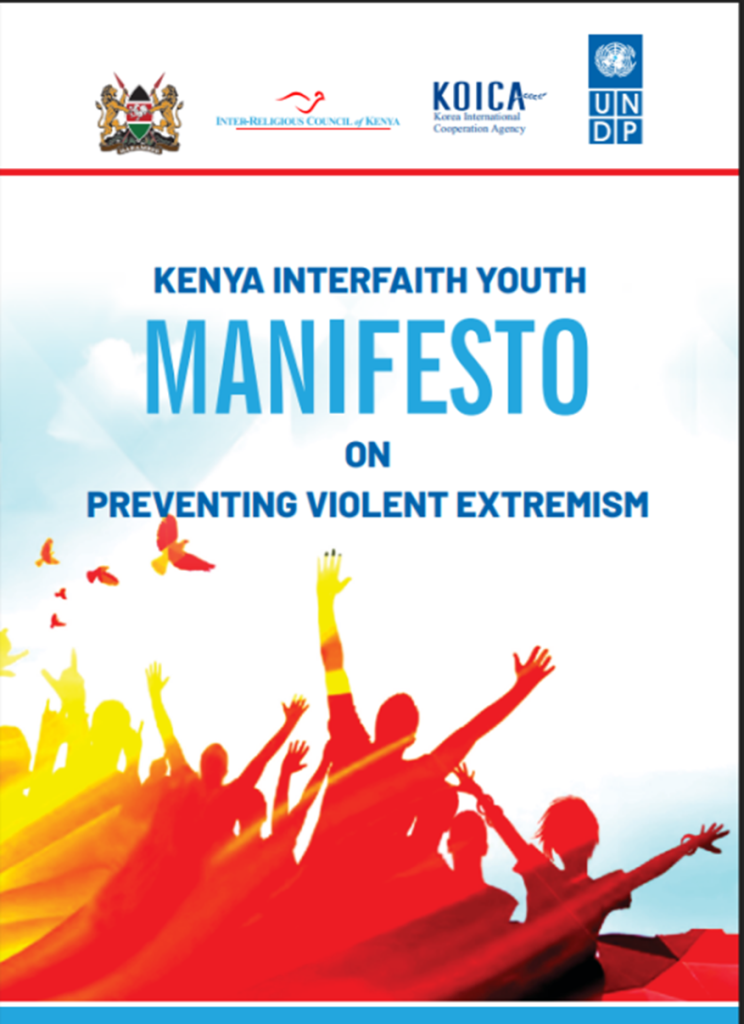
A major outcome was the launch of the Kenya Interfaith Youth Manifesto on Preventing Violent Extremism, alongside agreement to develop a policy brief to strengthen the incorporation of youth perspectives into national and institutional P/CVE approaches.
The summit also produced a communiqué organised around six priorities:
- promoting peace, justice and social cohesion;
- strengthening mental health and well-being;
- advancing economic empowerment;
- building digital safety and resilience;
- institutionalising youth leadership; and
- rebuilding trust in institutions.
The Youth Manifesto was subsequently made publicly available by IRCK in May 2026. It presents young people as active architects of Kenya’s peace and security and calls for action against violent extremism, inequality and marginalisation.
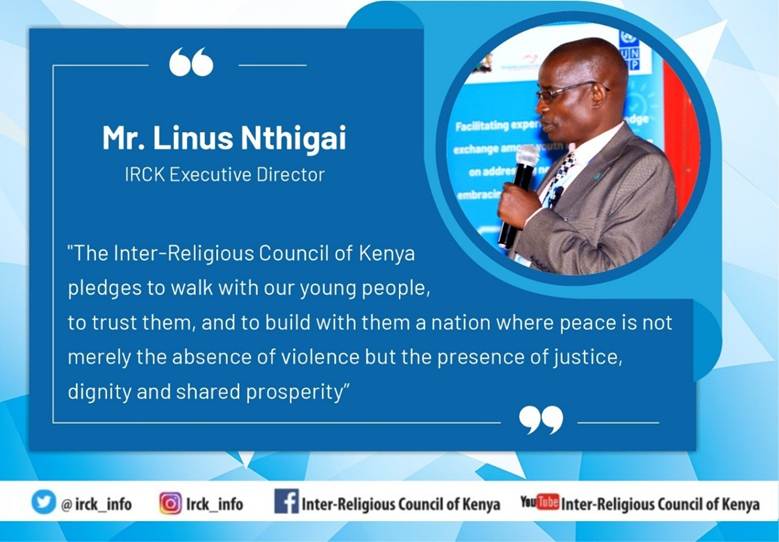
As IRCK Executive Director Mr. Linus Nthigai stated during the summit, the Council is committed to walking with young people, trusting them and building with them a Kenya where peace is understood not merely as the absence of violence, but as the presence of justice, dignity and shared prosperity.
Youth, Faith and Digital Peacebuilding
Young people’s social and digital environments have become an increasingly important part of peacebuilding.
In September 2025, 10 members of Kenya Interfaith Youth Network (KIYN) participated in a UNESCO-supported training on media and digital literacy for peace. Cherryl Oduor, a KIYN member from Mombasa, highlighted the need for young people and faith communities to distinguish between hate speech, misinformation and disinformation, verify information before sharing it, report harmful content and use digital platforms responsibly.
The reflection also emphasised that religious leaders have an important role in helping communities navigate the ethical and social consequences of digital communication. It called for stronger advocacy, fact-checking skills and greater attention to digital rights and accountability.
This work builds on the broader Social Media for Peace programme in Kenya, implemented by UNESCO with partners and supported by the European Union. Phase II, launched in 2025, places particular emphasis on strengthening resilience to harmful online content while protecting freedom of expression and promoting peace through digital technologies.
For IRCK, this makes young people particularly important actors in the digital peacebuilding ecosystem. They are not only among the most active users of digital platforms; they are also content creators, influencers, community organizers and trusted voices within their peer networks.
The message is therefore not simply to protect young people from harmful online narratives, but to equip and empower them to create and amplify positive ones.
Taking Youth Engagement to Communities
IRCK’s youth engagement extends beyond national conferences and policy spaces.
Through interfaith and peacebuilding structures at county and community levels, young people have participated in dialogue, mediation, peace messaging, early warning and early response initiatives, community engagement and school-based peacebuilding.
The Council’s wider peacebuilding and P/CVE programming has also deliberately brought together religious leaders, women, teachers and youth to strengthen community resilience and develop locally grounded responses to conflict, radicalisation and social fragmentation. IRCK’s P/CVE programming has included work across counties such as Nairobi, Marsabit, Isiolo, Samburu, Laikipia, Kisumu, Busia, Kilifi, Taita Taveta and Mandera.
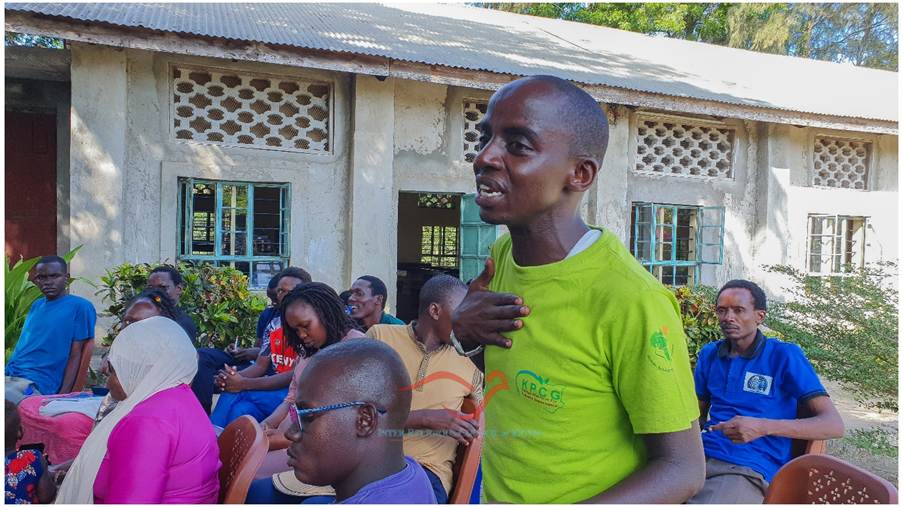
Figure 3 Ali Mohammed Chairman of Kilifi Interfaith Youth Network sharing peace messages during community outreaches at congregational level
School-based initiatives, including Amani (Peace) Clubs, provide another avenue for nurturing a culture of dialogue, tolerance and peaceful conflict resolution among young people. Such initiatives recognise that peacebuilding is not only a response to crisis; it is also a long-term investment in values, relationships and social resilience.
This community-level focus is especially significant because young people’s realities differ considerably across Kenya. The concerns of a young person in an urban informal settlement may differ from those of a young person in Marsabit, Mombasa, Garissa, Kisumu or Turkana. Yet the underlying aspirations, safety, opportunity, belonging, dignity, education and a meaningful voice, remain remarkably similar.
This is precisely where the 2026 International Youth Day theme resonates with IRCK’s experience: different contexts do not require different aspirations for peace, dignity and opportunity. They require locally appropriate pathways for achieving them.
The 2026 National Interfaith P/CVE Convention: Strengthening the Architecture for Youth Participation
The momentum generated by the 2025 Youth Summit continued into 2026 through the National Interfaith P/CVE Convention, held on 9–10 June 2026 at Ufungamano House in Nairobi.
Convened by IRCK, the convention brought together religious leaders, government institutions, civil society organisations and development partners to strengthen interfaith cooperation on preventing and countering violent extremism. The convention was held under the theme “Strengthening Interfaith Governance for a Resilient, Inclusive, and Gender-Responsive P/CVE in Kenya.”
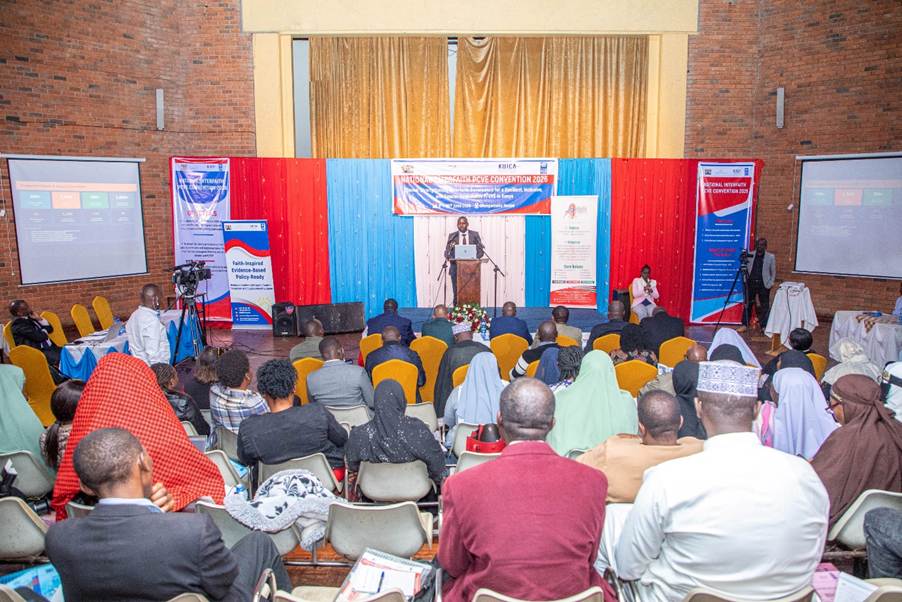
Figure 4: Ambrose Kilonzo Chairman of Kenya Interfaith Youth Network leading a session during the National Interfaith PCVE Convention this year at Ufungamano House
Youth participation was central to the discussions. Ambrose Kilonzo, Chair of the Kenya Interfaith Youth Network, emphasised the importance of drawing on grassroots experiences as evidence for national P/CVE policy dialogue. The convention also advanced the establishment of an interfaith and ideological working group on gender and P/CVE and adopted Terms of Reference and an implementation roadmap for county interfaith forums.
The convention therefore represents an important shift from dialogue towards institutionalised and coordinated action. For young people, this creates opportunities to ensure that youth perspectives are incorporated not only into individual programmes, but also into the structures and mechanisms through which peacebuilding and P/CVE are implemented.
Different Contexts, Common Aspirations
The experience of IRCK’s youth engagement over the past year demonstrates that young people across Kenya may face different challenges, but many of their aspirations converge.
They want access to meaningful economic opportunities. They want safe and inclusive communities. They want to participate in decisions that affect their lives. They want mental and psychosocial well-being. They want to express themselves freely and safely online. They want institutions they can trust. And they want to contribute to a peaceful Kenya without being reduced to passive recipients of programmes or viewed primarily through the lens of vulnerability or risk.
These aspirations are reflected directly in the six priorities of the Kenya Interfaith Youth Manifesto.
They are also consistent with the wider global message of International Youth Day 2026, which highlights global solidarity, shared challenges and youth innovation as interconnected dimensions of youth empowerment.
For Kenya’s faith communities, this creates both an opportunity and a responsibility. Religious institutions have extensive community networks, moral influence and trusted platforms. When these platforms are opened to meaningful youth participation, they can help bridge generations, strengthen social cohesion and create space for young people to lead.
Looking Ahead
As Kenya looks towards the 2027 General Elections and continues to address challenges related to social cohesion, misinformation, violent extremism, unemployment, inequality and community conflict, the role of young people will remain critical.
IRCK’s experience demonstrates that youth engagement is most effective when it combines leadership, skills, voice, opportunity and institutional space.
The task ahead is therefore to move from recognising young people as important stakeholders to consistently enabling them to co-design, implement, monitor and influence peacebuilding interventions and public policy.
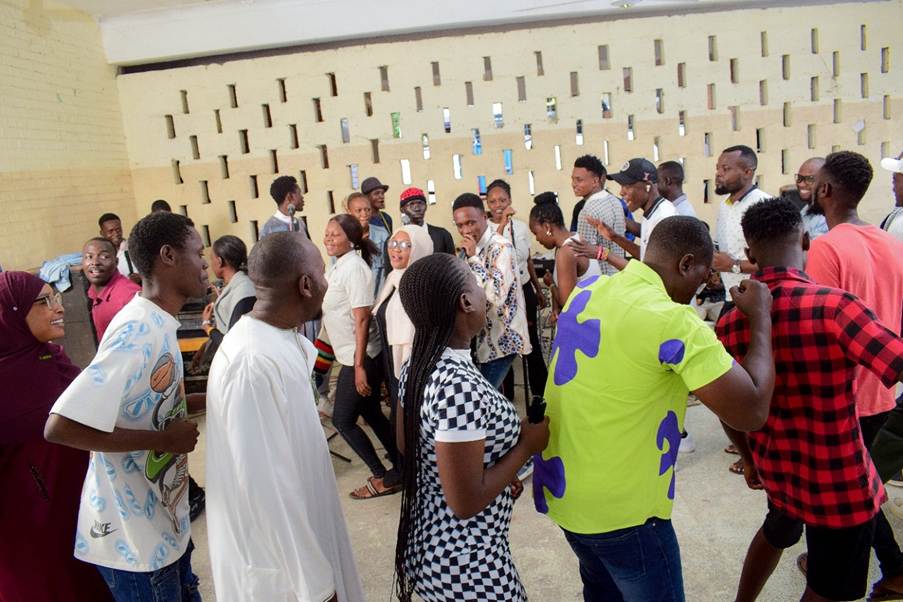
Figure 5: Mombasa Interfaith Youth Network leveraging on creative and digital strategies in peacebuilding and social cohesion.
This means sustaining and strengthening the Kenya Interfaith Youth Network and county-level platforms; expanding youth participation in interfaith and P/CVE structures; supporting digital peacebuilders and responsible content creators; strengthening school-based peace initiatives; investing in youth livelihoods and resilience; and ensuring that young people’s experiences continue to inform national policy.
It also means listening to young people across different contexts, urban and rural, coastal and northern, online and offline, across different faiths and communities, and recognising the common aspirations that connect them.
