
For years, religious leaders in Marsabit County have quietly worked behind the scenes to promote peace, strengthen community dialogue and prevent violent extremism.
Their journey has been shaped by a recognition that religious leaders occupy a unique position within communities. Through mosques, churches and community structures, they are able to engage directly with families, young people and other community members on issues that can either strengthen or undermine peaceful coexistence.
Religious and community leaders involved in peacebuilding and Prevention and Countering Violent Extremism efforts.
These efforts have been supported through collaboration among government agencies, the Inter-Religious Council of Kenya, civil society organisations, community leaders and other peacebuilding partners. Their contributions have helped create opportunities for dialogue, community awareness, youth and women’s participation, and cooperation across communities. The work also depends on continued coordination with local administration and other relevant government institutions to sustain community-led peace initiatives.
In a county characterised by cultural and religious diversity, interfaith dialogue has therefore become an important part of efforts to address tensions before they escalate.
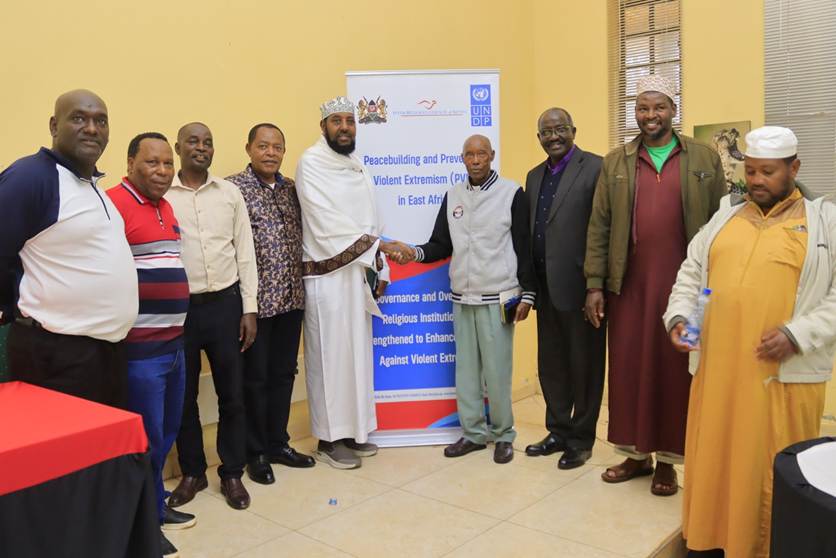
The work has involved Muslim and Christian leaders working alongside government agencies, civil society organisations, women, youth and community leaders. The focus has included awareness creation, dialogue, early identification of risks associated with radicalisation and promoting alternative narratives to violent extremist ideologies.
The Inter-Religious Council of Kenya has been among the organisations supporting such efforts. Its wider peacebuilding and Prevention and Countering Violent Extremism programmes recognise religious leaders as important actors in promoting social cohesion, community resilience and peaceful coexistence.
But the work has increasingly moved beyond the traditional understanding of countering violent extremism.
In Marsabit, peacebuilding has also meant creating spaces where communities can discuss difficult and sensitive issues before they develop into conflict.
Recent engagements have brought together religious leaders, women and young people through dialogue, cultural activities and community initiatives.
In Saku, for example, young people, women and religious leaders participated in a Unity in Diversity drama festival featuring songs, poetry, spoken word and drama as part of activities leading to the International Day of Peace.
Such initiatives demonstrate how peacebuilding is also being taken to younger generations, giving them platforms to express themselves while promoting messages of tolerance and peaceful coexistence.
The journey has also taken on a cross-border dimension in Moyale, where communities on both sides of the Kenya-Ethiopia border share social, cultural and economic ties.
Here, maintaining peace requires cooperation beyond national and administrative boundaries.
That long-running journey came into sharp focus during the 2026 International Day of Peace celebrations in Moyale.
The event, held at the Moyale Police Station Grounds, brought together religious leaders, government representatives, women, youth, community leaders, peace actors and cross-border partners from Kenya and Ethiopia.
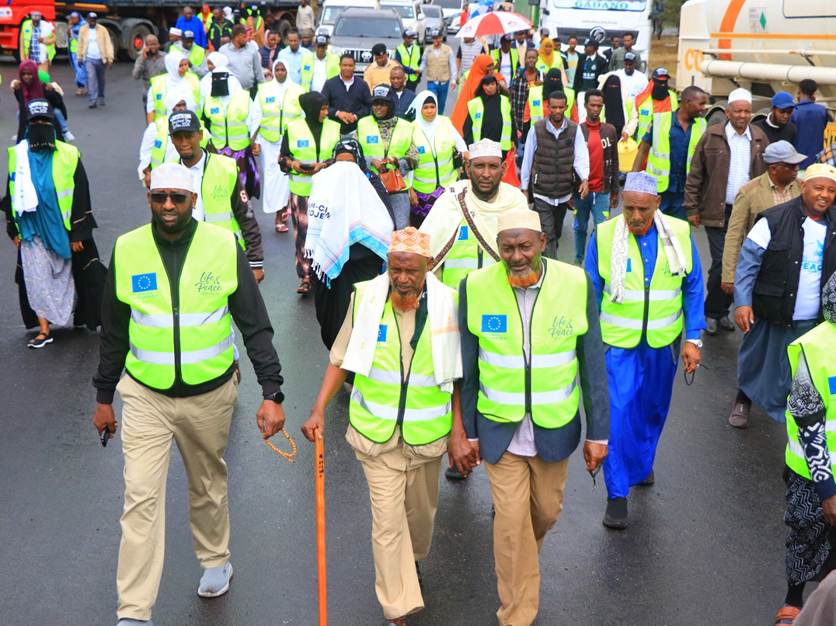
Community members and religious leaders take part in the peace procession in Moyale.
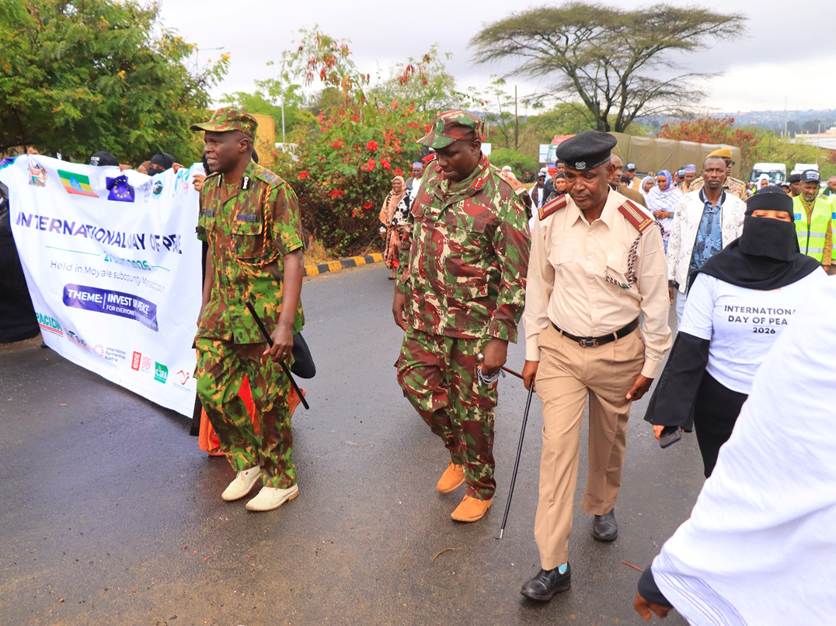
Security officers and community representatives join the International Day of Peace procession.
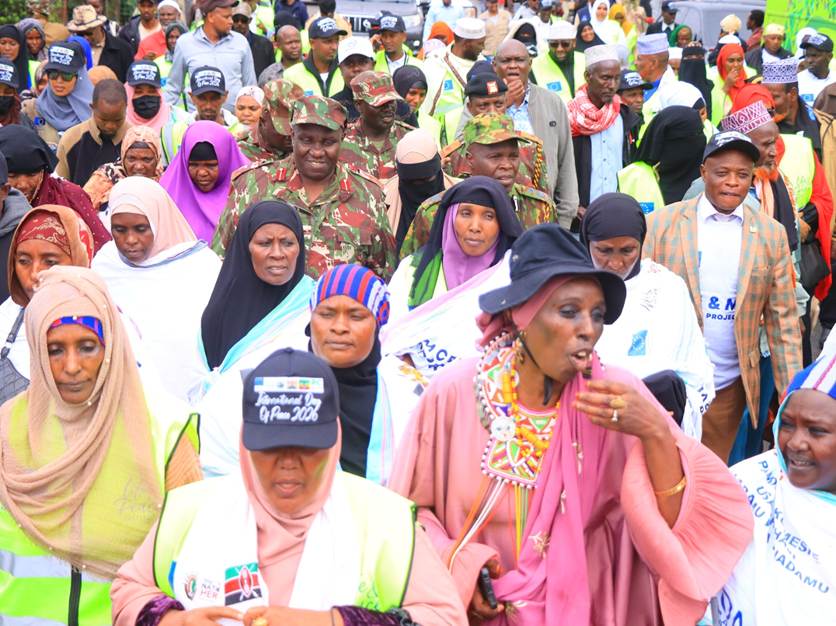
Women, youth and other community members participate in the peace walk.
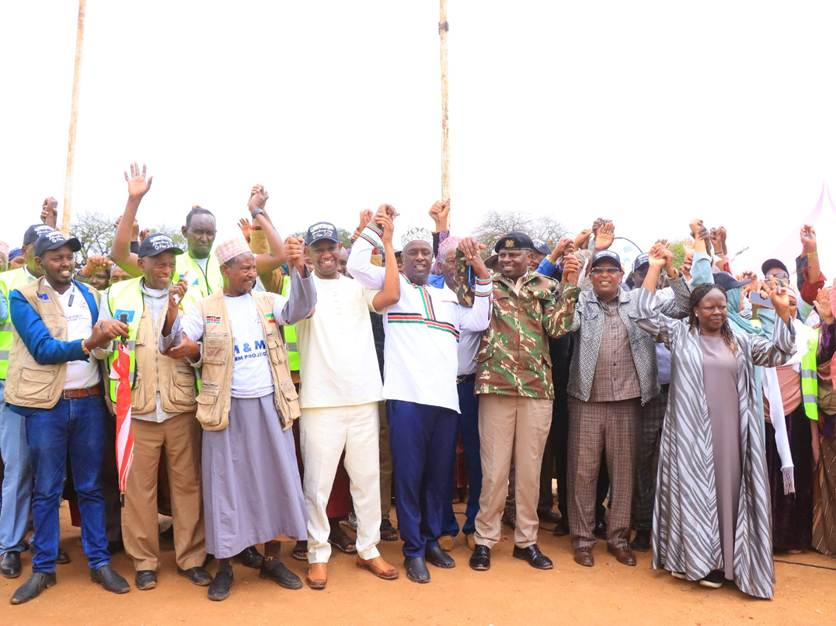
Participants celebrate unity and peaceful coexistence during the Moyale event.
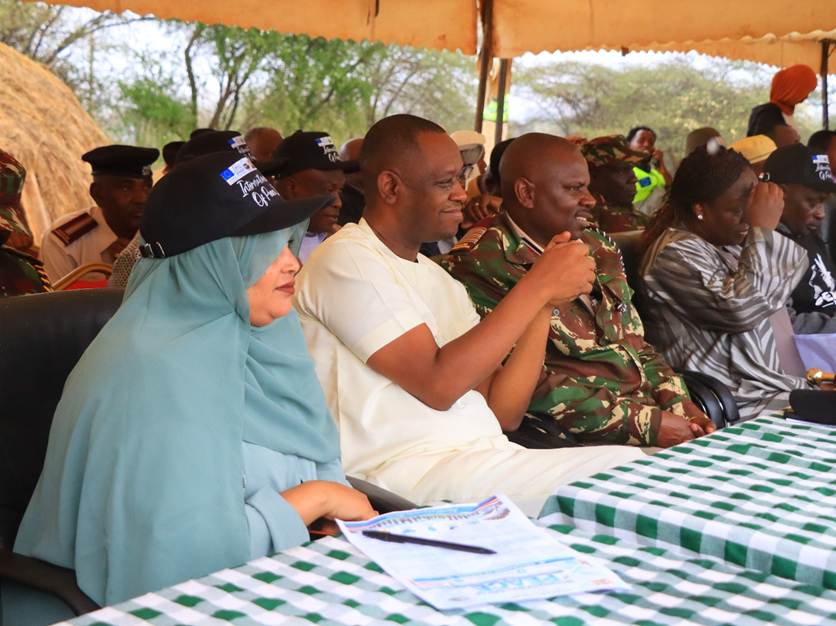
Community leaders and participants follow the proceedings at the peace celebration.
The gathering provided an opportunity to reflect on the work that communities and peace actors have undertaken over the years while renewing the call for greater investment in peace.
The celebrations were held under the theme “Invest in Peace: For Everyone, Everywhere, Every Day.”
For Moyale, the theme carried particular significance. Peace in the border town is not only about preventing violence; it is also about strengthening relationships between communities, encouraging young people to become agents of peace and ensuring that differences are addressed through dialogue rather than confrontation.
The participation of religious leaders at the event was a continuation of the role they have played for years, from countering extremist narratives and promoting tolerance to creating platforms for dialogue and reconciliation.
The International Day of Peace therefore became more than a one-day celebration.
It offered a moment to look back at a journey that has involved years of community engagement while looking ahead to the responsibility of sustaining peace.
From the fight against violent extremism to interfaith dialogue, youth engagement and cross-border cooperation, Marsabit’s peace journey continues to evolve.
And in Moyale, the message was renewed: peace is not achieved once and forgotten. It requires investment, dialogue and participation from everyone, everywhere, every day.
