
by Amon Kemei
Protecting and safeguarding children is no longer a responsibility of one institution or sector. It is increasingly recognized as a shared obligation that cuts across faiths, government and development partners. This collective resolve was affirmed during a National Religious Summit on Child Safeguarding that brought together the Inter-Religious Council of Kenya (IRCK), United Nations Children’s Fund (UNICEF), and the Government of Kenya (Ministry of Gender, Culture and Children Services). The summit was united by an understanding that children are a sacred trust, deserving safety and dignity to thrive. The engagement reaffirmed that violence against children, neglect, exploitation and harmful practices have no place in faith or society.
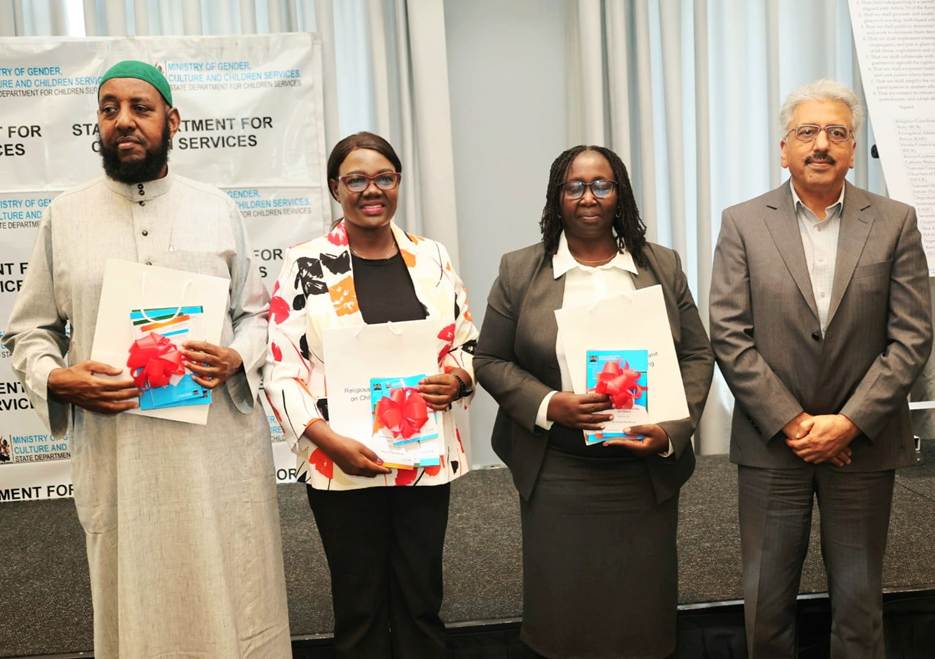
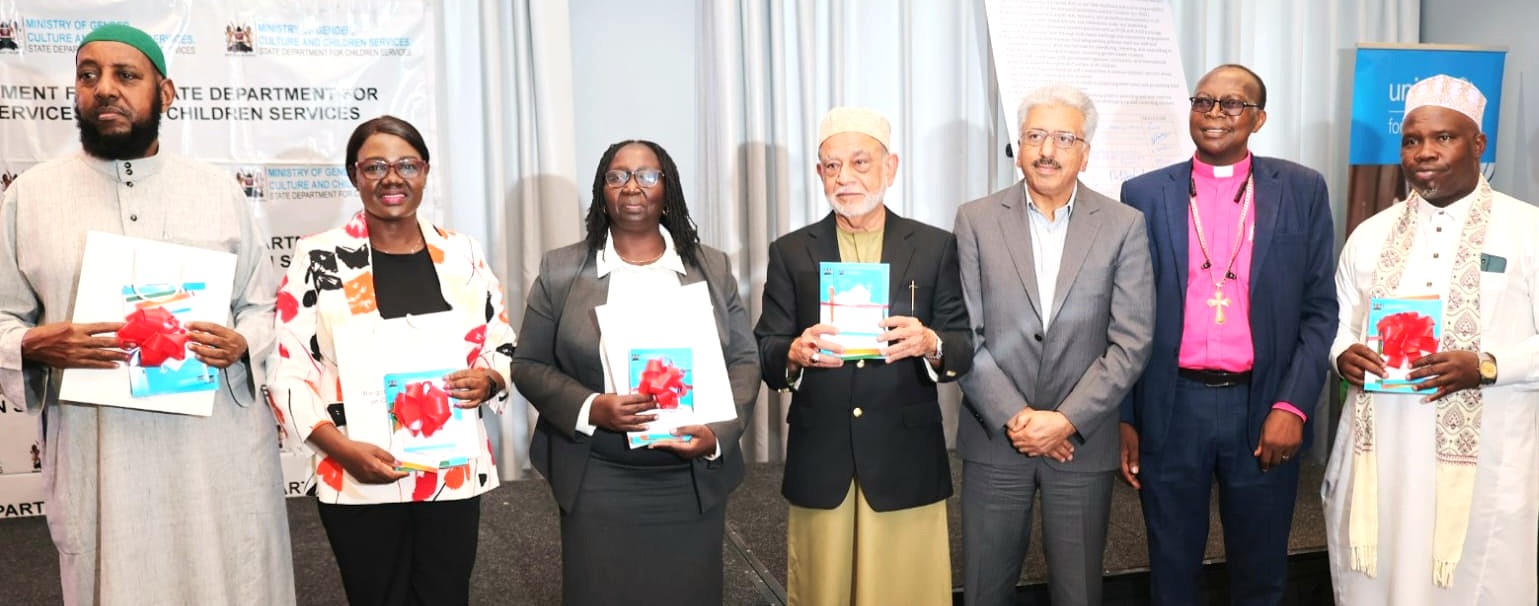
Photo 1 Sheikh Abdullahi Salat (IRCK Chairman), CPA Carren Ageng’o (Principal Secretary), Hon. Hanna Cheptumo (CS, Ministry of Gender, Culture, and Children Services), and Mahboob Bajwa (UNICEF Deputy Country Representative) pose for a photo during the summit.
Across all religions, one message was clear: children are a sacred trust. Drawing from the three faiths, Sheikh Abdullahi Salat (IRCK Chair), highlighted that “our faith traditions speak with one moral voice on this responsibility. As the Manusmriti teaches, ‘Children are to be maintained and protected by those responsible for them until they are able to care for themselves’ (8:299). The Bible reminds us, ‘See that you do not despise one of these little ones, for their angels in heaven always see the face of my Father in heaven’ (Matthew 18:10). Likewise, the Prophet Muhammad (peace be upon him) taught, ‘He is not one of us who does not show mercy to our young’ (Hadith, Sunan al-Tirmidhi).”
A powerful highlight was a clear rejection of harmful practices such as Female Genital Mutilation (FGM). In certain contexts, FGM has been mistakenly framed as a religious obligation, despite having no foundation in any faith teachings. Some communities in Kenya have wrongly invoked religion as a fig leaf to justify FGM, allowing the perpetuation of the harmful cultural practice to persist. Speaking with clarity, Hon. Sukyan Omar Hassan, Acting Chief Kadhi, said that “FGM has no basis in the Qur’an and directly contradicts the Islamic principles of mercy, justice, and the obligation to do no harm. When culture is mistaken for religion, harmful practices are given moral cover. Faith leaders must clearly affirm that FGM is a cultural practice, not a religious requirement, and that protecting a child’s health, dignity, and wellbeing takes precedence over all traditions.”
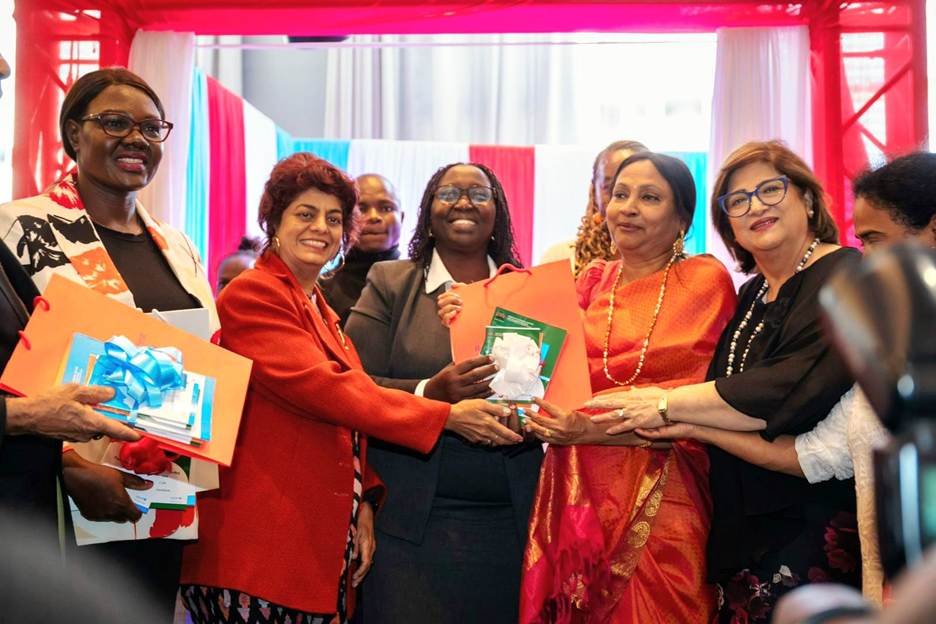
Photo 2: Hon. Hanna Cheptumo hands over scripture-referenced child protection handbooks to religious leaders.
Hon. Hanna Wendot Cheptumo, Cabinet Secretary, Ministry of Gender, Culture and Children’s Services, reinforced the government’s commitment to child protection. In her address, she commended the tripartite cooperation between the IRCK, UNICEF and the Government of Kenya on safeguarding and protecting children in the country. “The Government of Kenya is proud to support this initiative and reaffirms its commitment to working closely with faith actors, civil society, and all stakeholders to end violence against children, eliminate harmful practices and build communities where every child is valued, heard, and protected.” The CS further underscored the unique influence and the potential of religious leaders when she stated that, “religious leaders with their deep community reach are uniquely positioned to challenge harmful norms, promote child-friendly values, and foster safe spaces for children. They are crucial in mobilising nationwide action to end violence.”
Similar sentiments were shared by UNICEF’s Deputy Representative, Mahboob Bajwa, who welcomed the united commitment and the new handbook as catalysts for meaningful change. “When religious leaders speak clearly and consistently against violence, and when they promote compassion, dignity, and accountability, hearts change, and norms begin to shift in favour of our children,” said Bajwa.
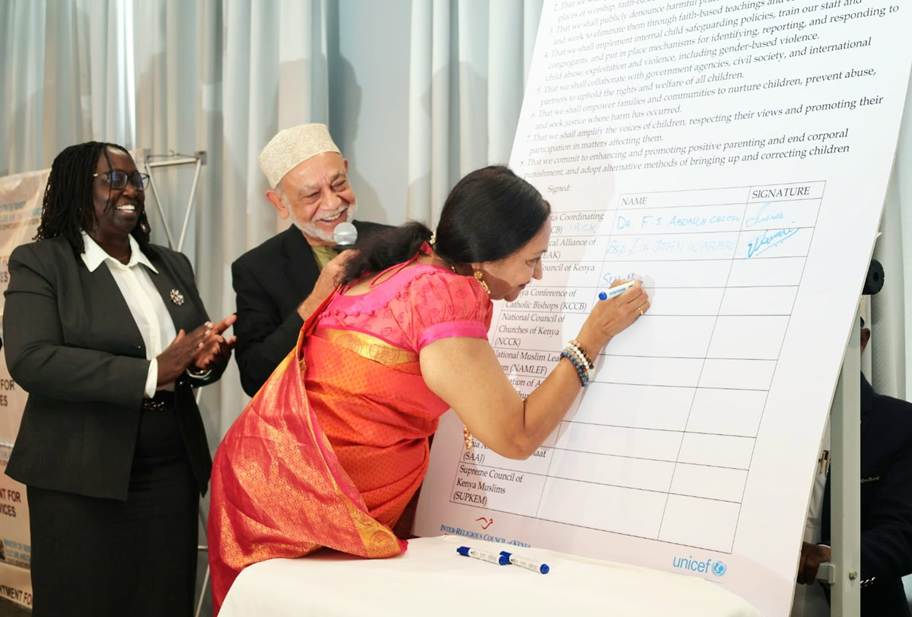
Photo 3: Sujatha Kotamraju, Chairperson of the Hindu Council of Kenya, signs the religious leaders’ commitment to child protection.
The summit culminated with religious leaders signing a commitment to safeguard and protect children, alongside the launch of Protecting and Safeguarding Our Children handbooks – scripture-referenced materials designed for use by faith leaders. Such engagements demonstrate that when religious leaders, the Government of Kenya, and UNICEF unite, no child is left behind. This underscores the shared responsibility of protecting and safeguarding children, ensuring that every child can grow up safe, valued, and able to thrive.
